



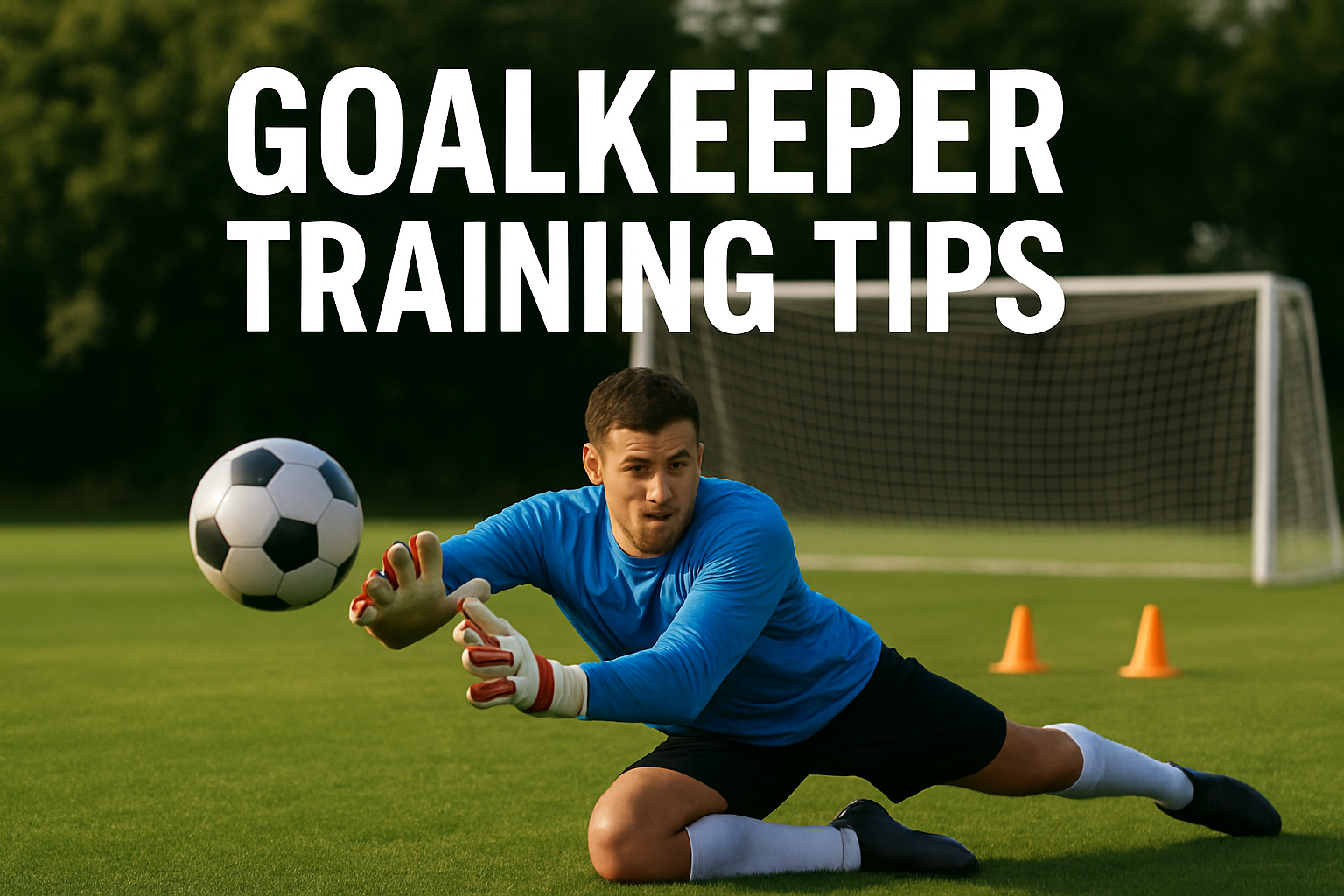
One of the hardest jobs in football is being a goalkeeper. Quick reflexes and smart positioning are essential to stop the opponent. A goalkeeper’s success depends on more than athletic ability—it also requires decision-making skills and consistent training. Below are useful drills and recommendations to improve reflexes and positioning.
Reflex Training Drills
| Name of Drill | Description | Equipment Needed | Duration |
|---|---|---|---|
| Bounce the Reaction Ball | Throw a reaction ball against a wall or floor and catch it after its unpredictable bounce. | Reaction ball | 10–15 minutes |
| Shots in Quick Fire | Coach/partner quickly fires consecutive shots; GK must respond rapidly. | Football, shooter | 15–20 minutes |
| Drop the Cone Drill | Partner drops a cone/object behind GK; spin and dive to block the shot. | Cones, football | 10–12 minutes |
| Reflexes of Light Board | React quickly to random flashing lights/signals with sharp movements. | Light board, markers | 8–10 minutes |
| Saves from Close Range | Partner shoots from 5–8 meters; GK reacts to sudden close-range strikes. | Footballs, goalposts | 15 minutes |
Positioning Training Drills
| Name of Drill | Description | Equipment Needed | Duration |
|---|---|---|---|
| Cutting at an Angle Drill | GK adjusts to cut angles as attackers approach from multiple directions. | Cones, football | 15 minutes |
| Cross Collection | Practice positioning for crosses, jumping and catching under pressure. | Footballs, markers | 15–20 minutes |
| Moving in the Shadows | GK shadows the ball, staying in line with play without diving. | Cones, markers | 10–12 minutes |
| One-on-One Situations | Train to stay tall and time dives in 1v1 scenarios. | Attacker, football | 15 minutes |
| Set Piece Simulation | Set up defensive wall, position correctly, anticipate free-kick shots. | Wall, footballs | 20 minutes |
Helpful Hints
For Beginners
-
Practice basic footwork and catching before attempting diving drills.
-
Keep knees slightly bent, weight forward on the balls of the feet.
-
Start with ball drops to sharpen reactions.
For Intermediate Keepers
-
Learn to read attacker body language.
-
Practice angled shots and simulate match-like pressure.
-
Use resistance bands to strengthen explosive dives.
For Advanced Keepers
-
Train double-save scenarios (stop first shot, react to rebound).
-
Use agility ladders and plyometrics to improve recovery speed.
-
Study match footage to refine positioning and anticipation.
Main Points
-
Reflexes improve with reaction-based drills done repeatedly under pressure.
-
Positioning is about anticipation, balance, and narrowing angles.
-
Progress training from simple drills (ball drops, cone moves) to game-like scenarios (set pieces, 1v1s, rapid fire).
-
Consistency and match analysis are key for long-term growth.


